How Long Do All-on-4 Implants Last? What the Studies Show
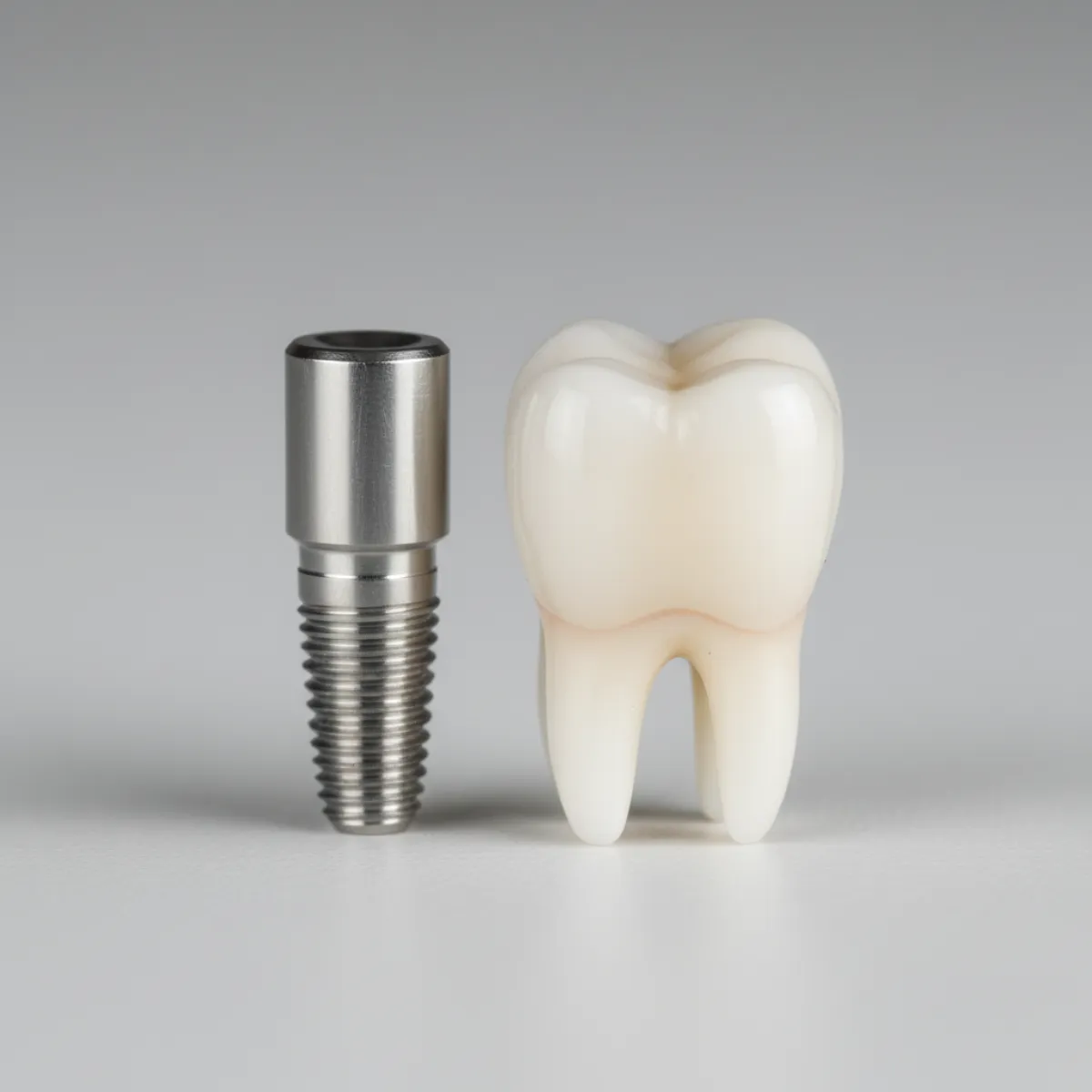
In the longest study cohort, about 94.8% of All-on-4 implants lasted up to 10 years. But the answer most clinics give — “99.8% success” — is misleading, and it hides an important distinction: the implants usually outlive the teeth attached to them.
Why “99.8%” is the wrong number to quote
You’ll see 99.8% everywhere. The catch: in the systematic review it comes from, that’s a conditional rate for implants that already survived past 24 months — it excludes the majority of failures, which happen in the first two years. A fairer long-run figure is the lowest reported in that same review: about 94.8% implant survival at up to 10 years (the largest cohort). Overall survival sits around 98% short-term. None of these are guarantees — and the evidence base itself is limited, leaning on retrospective studies with short follow-up.
Implants vs. the teeth on top
This is the point most cost comparisons miss. In a one-year cohort of 544 implants, implant survival was 98.2% but prosthesis survival was 94.4% — the teeth fail more often than the implants. The most common prosthetic problem is fracture or chipping of the acrylic, and detachment of a prosthetic element was reported in about 23.2% of patients. So even a “successful” case may involve repairing or remaking the teeth over time.
Material changes the lifespan a lot
How long your teeth last depends heavily on what they’re made of. In a University of Michigan analysis, 5-year prosthetic survival was about 93.7% for monolithic zirconia vs 83.0% for metal-acrylic — and a separate cohort put acrylic as low as ~54% at 5 years and ~32% at 10, driven by fracture. Zirconia lasts longer but costs more and is harder to repair. The full trade-off is in acrylic vs zirconia.
What shortens lifespan
- Early healing problems. Most implant losses occur in the first few months.
- Location. The upper back jaw (softer bone) sees more failures — one reason some surgeons add implants there (All-on-4 vs All-on-6).
- Habits and care. Smoking, grinding, poor hygiene and skipped check-ups all raise risk.
- Material and bite forces on the prosthesis itself.
Bottom line
Expect the implants to last many years — likely a decade or more for most people — while planning for the teeth on top to need maintenance, repair, or eventual replacement sooner, especially with acrylic. Budget for the long term, not just the upfront price: see the cost breakdown. All figures here are drawn from the peer-reviewed studies on our sources page.
Medical & financial disclaimer: This article is for general information only and is not medical or financial advice. Prices are market estimate ranges, not quotes. Consult a licensed dentist and verify any clinic independently before treatment.